Say What the Image Is in the First Sentence
Naming the physical medium first ("A two-color risograph print", "An overhead knolling photograph", "A character reference sheet") anchors texture and lighting better than generic style buzzwords.
Distilled 6-step and 8-step H3 Image models run without classifier-free guidance or negative prompts. Use the four official prompting rules and <Picture 1>–<Picture 4> edit templates below, or launch any benchmark directly in the studio.
Why short tag-soup prompts fail on H3 Image — and how to structure sentences that render clean hands, real skin texture, and sharp typography.
Naming the physical medium first ("A two-color risograph print", "An overhead knolling photograph", "A character reference sheet") anchors texture and lighting better than generic style buzzwords.
Give a camera viewpoint, one primary subject in a specific moment, a few supporting props, and a clear light source with direction.
Unquoted text turns into pseudo-text. Put exact words in quotes, specify where they sit on the canvas, and end with "no other text".
Both MiniMax-H3-Image (6 steps) and P-H3-Image (8 steps) are distilled with no classifier-free guidance. Hype words push them toward an oversaturated, plastic look.
Every image below was generated from the exact prompt shown. Click Load in Studio to test or modify it with your own reference images.
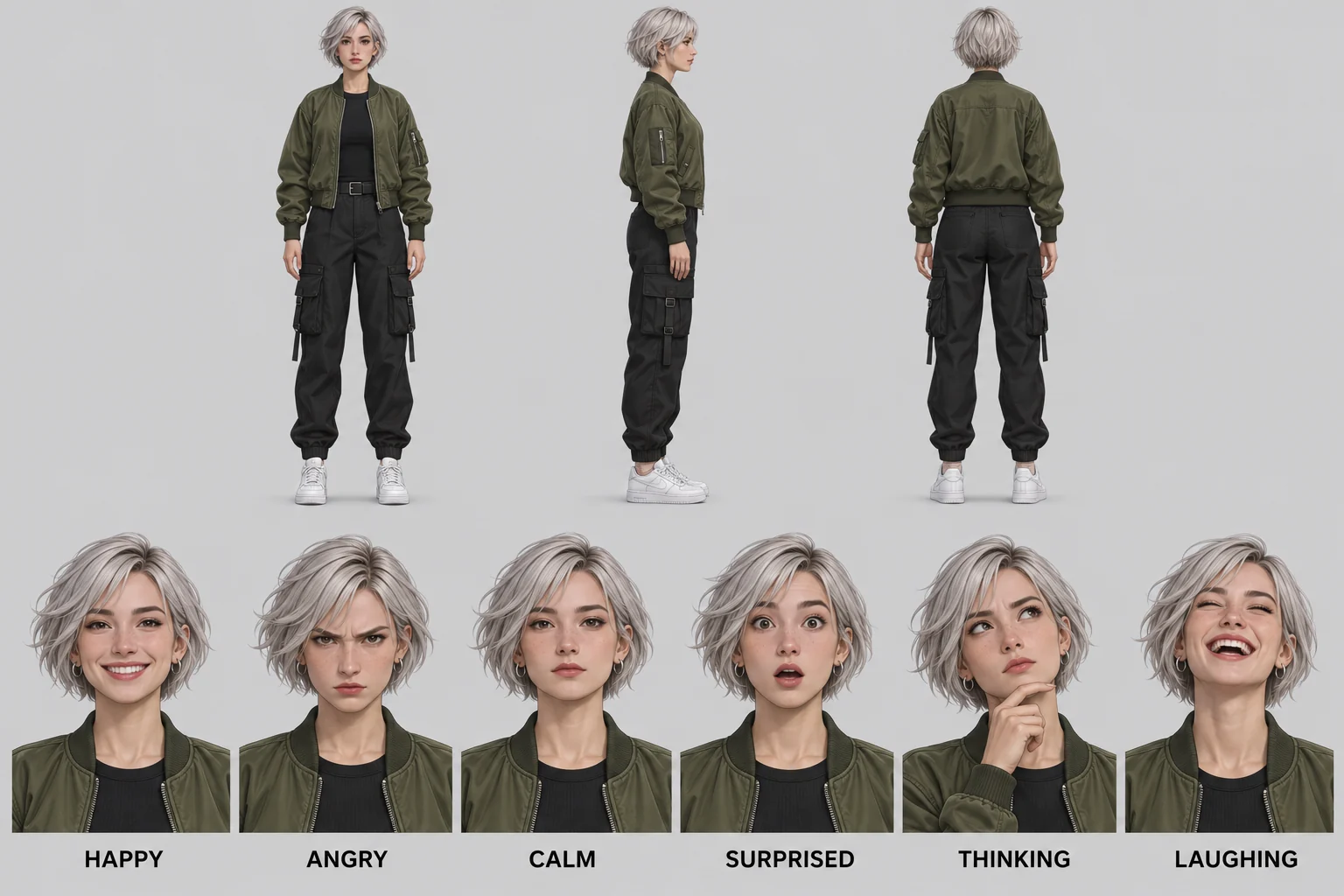
Character Sheet · 16MPCharacter reference sheet of one young woman with short silver hair, an olive green bomber jacket, black cargo pants and white sneakers. Top row: full-body front view, side view and back view in the same neutral pose, evenly spaced on a plain light gray background. Bottom row: six head-and-shoulder close-ups with different expressions labeled "HAPPY", "ANGRY", "CALM", "SURPRISED", "THINKING", "LAUGHING". Clean digital concept illustration, flat even studio lighting, identical proportions in every view, no other text.
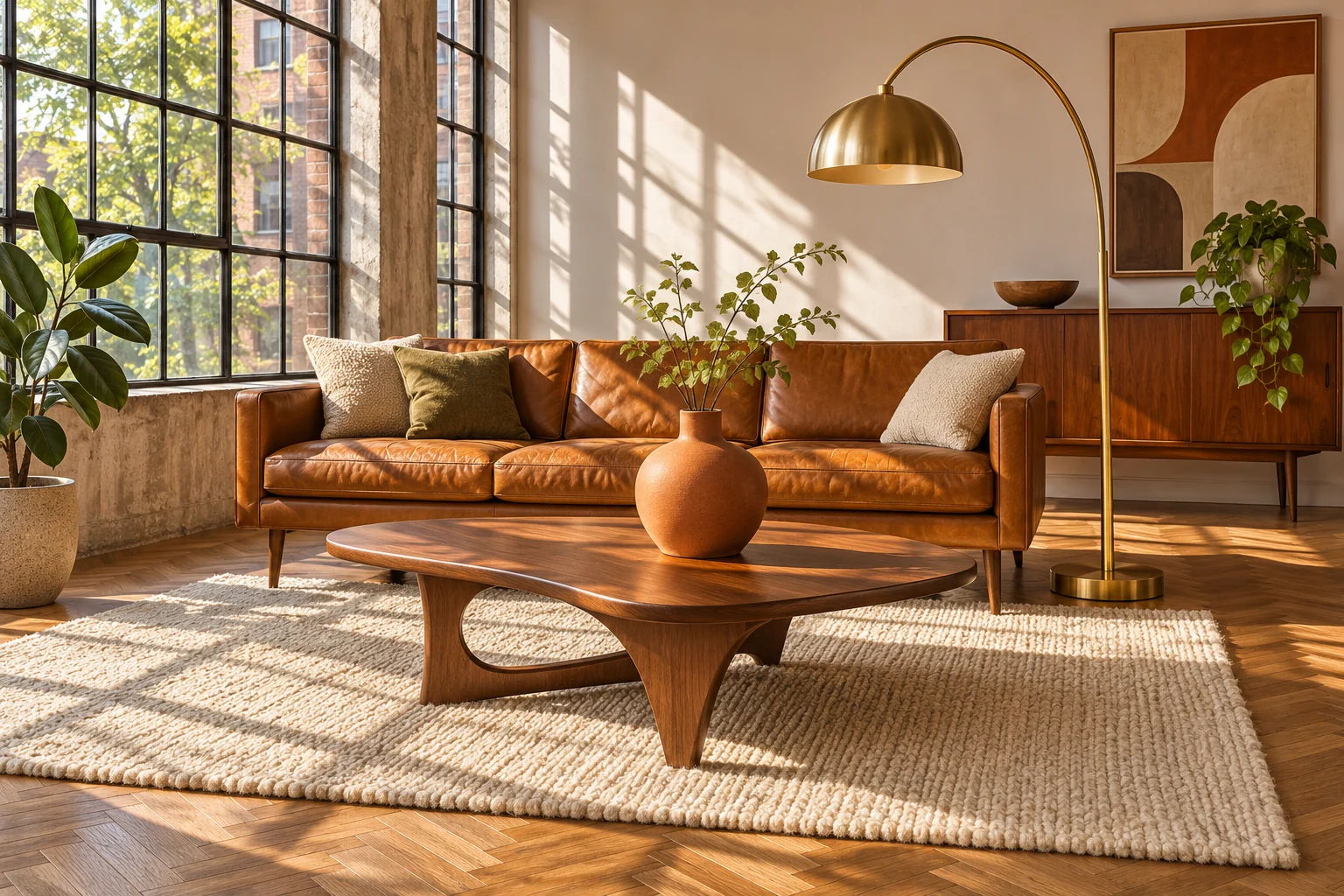
Multi-Ref Staging · 4 SlotsEdit <Picture 1>. Furnish the sunlit mid-century living room with the cognac leather sofa from <Picture 2>, the sculpted walnut coffee table from <Picture 3>, and the arched brushed-brass floor lamp from <Picture 4>. Keep the tall factory windows, herringbone oak floor and morning sunlight direction exactly as they are.
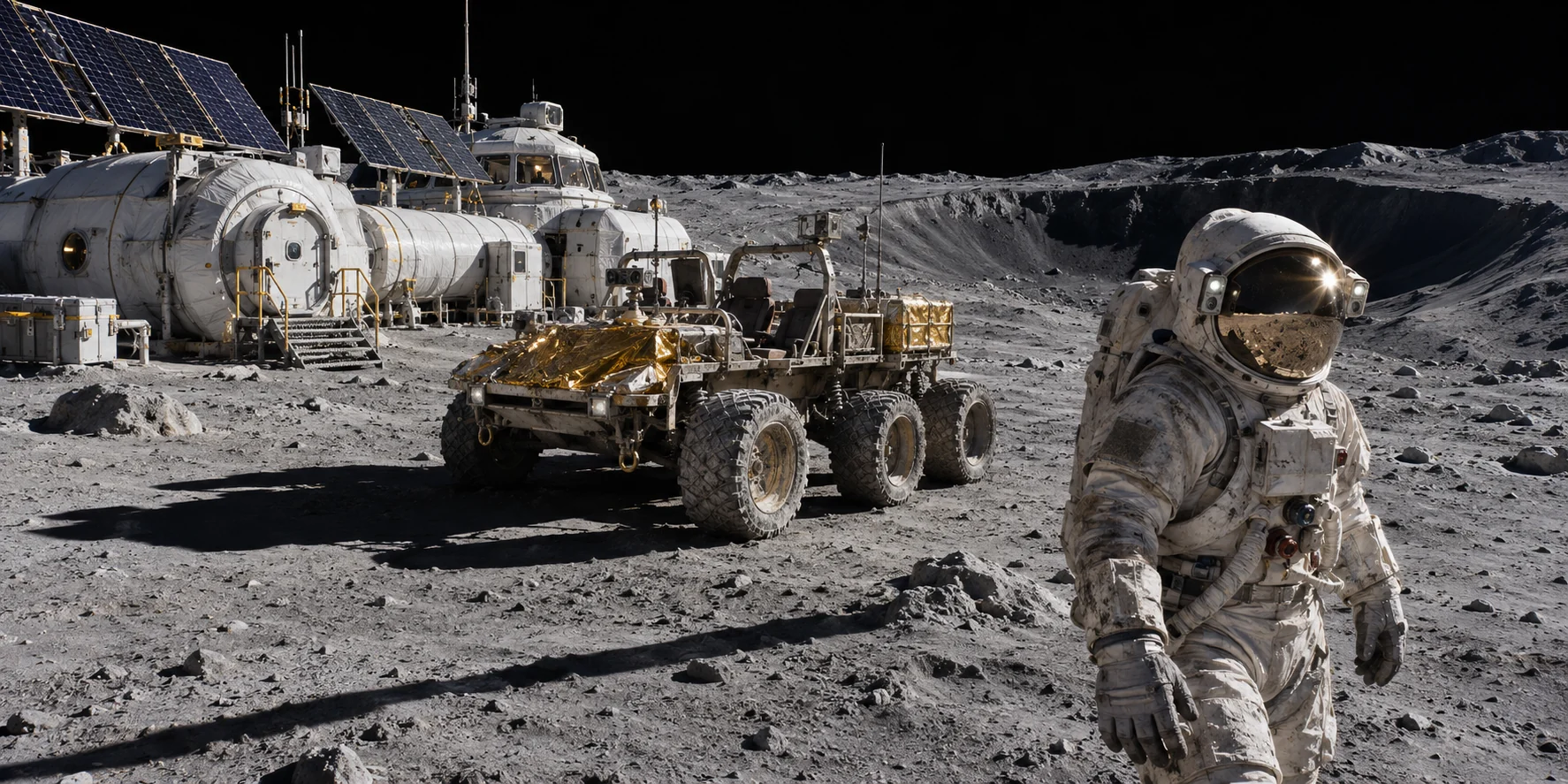
3D Whitebox → Film StillEdit <Picture 1>. Transform this untextured grey 3D clay render into a photorealistic 70mm science-fiction film still of a lunar research base: pressurized white habitat modules with solar arrays on the left, a weathered six-wheeled lunar rover with gold Mylar foil in the center, and an astronaut in a dusty white EVA suit in the foreground. Keep the exact camera angle, horizon line and object positions of <Picture 1> unchanged.
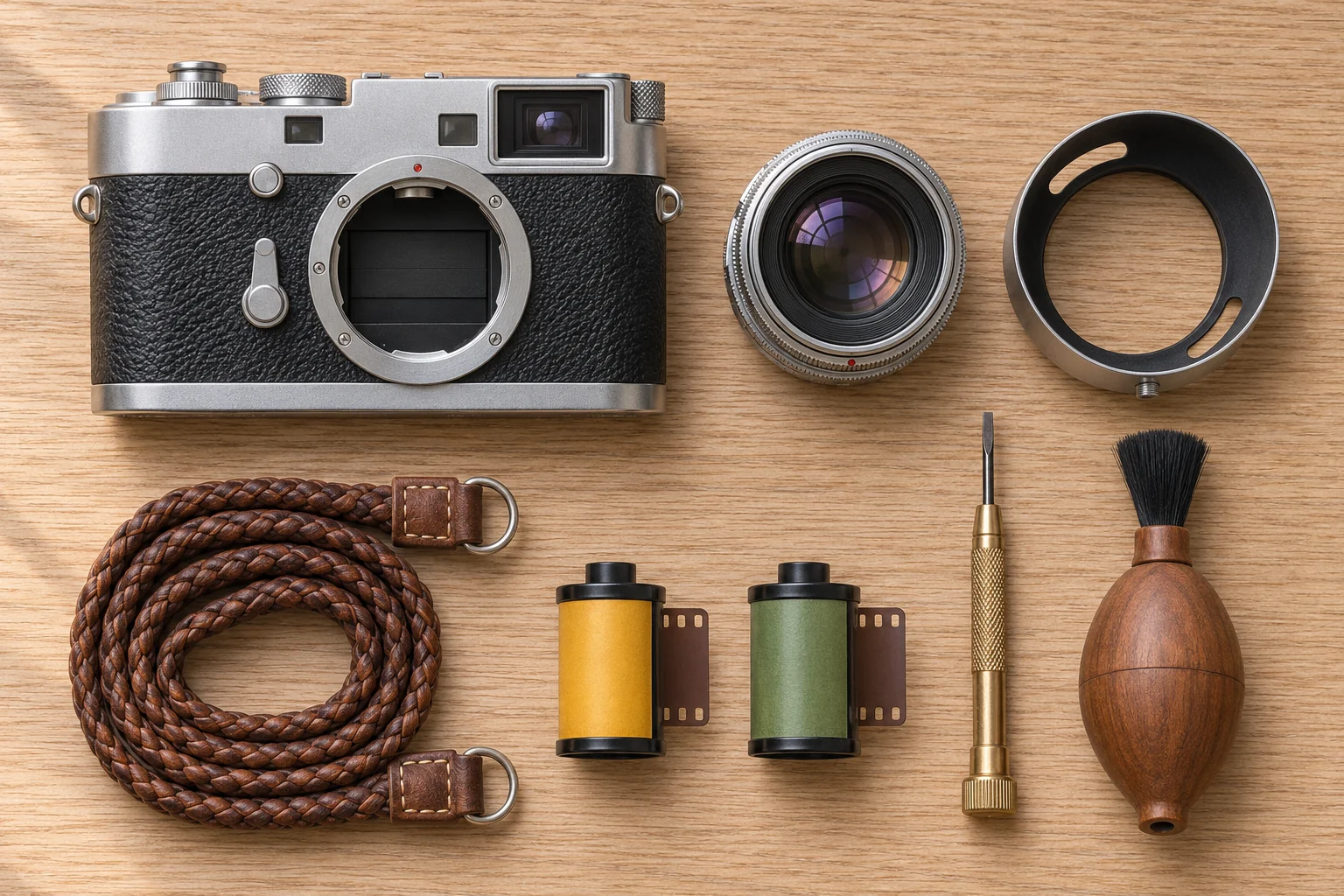
Knolling Flat-Lay · 8-StepA knolling photograph shot from directly above: a vintage silver and black 35mm rangefinder film camera taken apart into its camera body, 50mm prime lens, metal lens hood, braided leather strap, two 35mm film rolls, a brass precision screwdriver, and a wooden blower brush, all laid out at strict right angles with even gaps on a pale oak table. Soft daylight from the left, sharp edge-to-edge focus, no text.
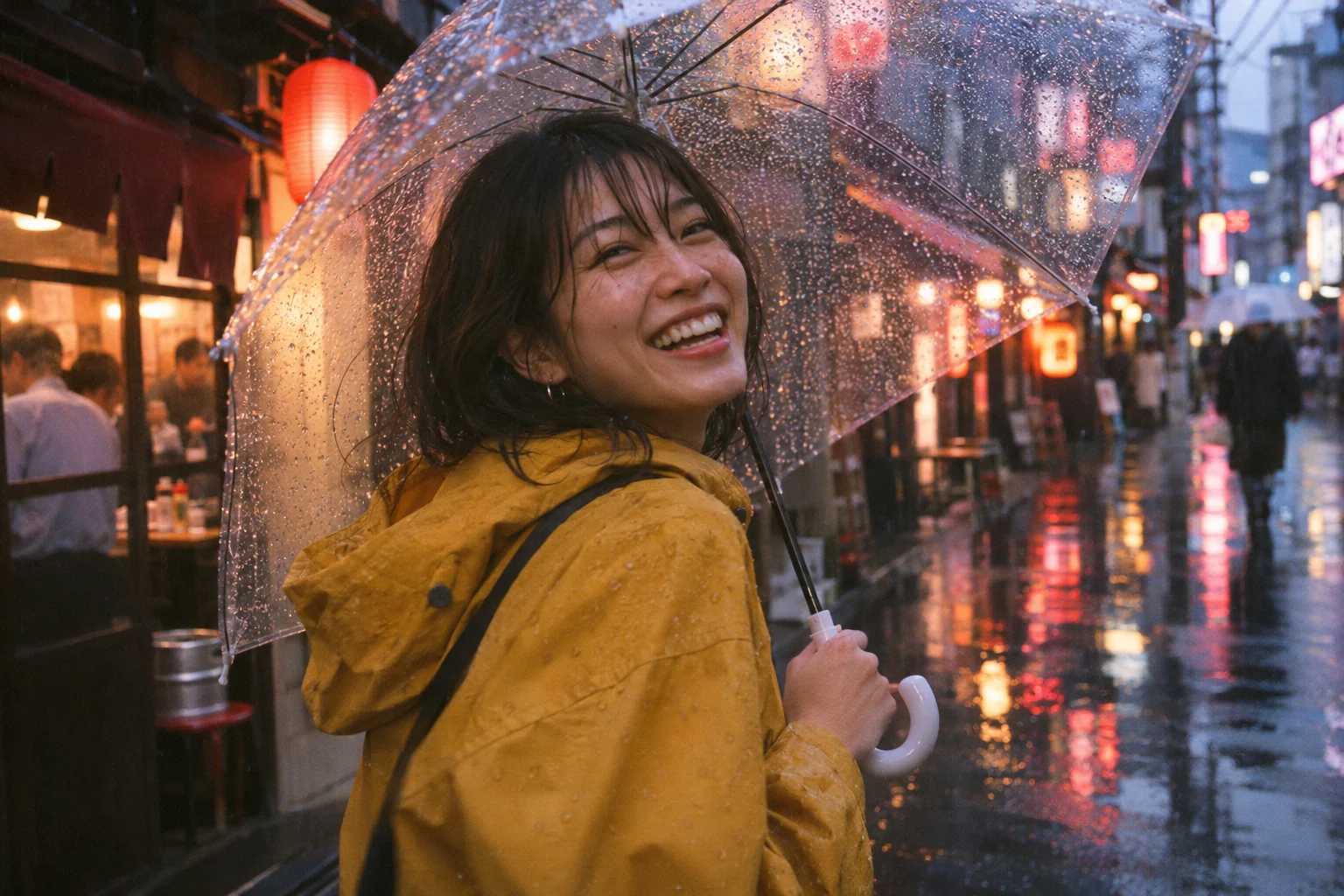
Phone-Camera RealismA candid street photograph taken by a friend with a 35mm camera on a rainy Tokyo side street at dusk: a young woman in a mustard yellow raincoat laughing under a transparent umbrella, neon izakaya reflections on wet asphalt behind her, natural skin texture with tiny raindrops on the umbrella, shallow depth of field, authentic film grain, no text.
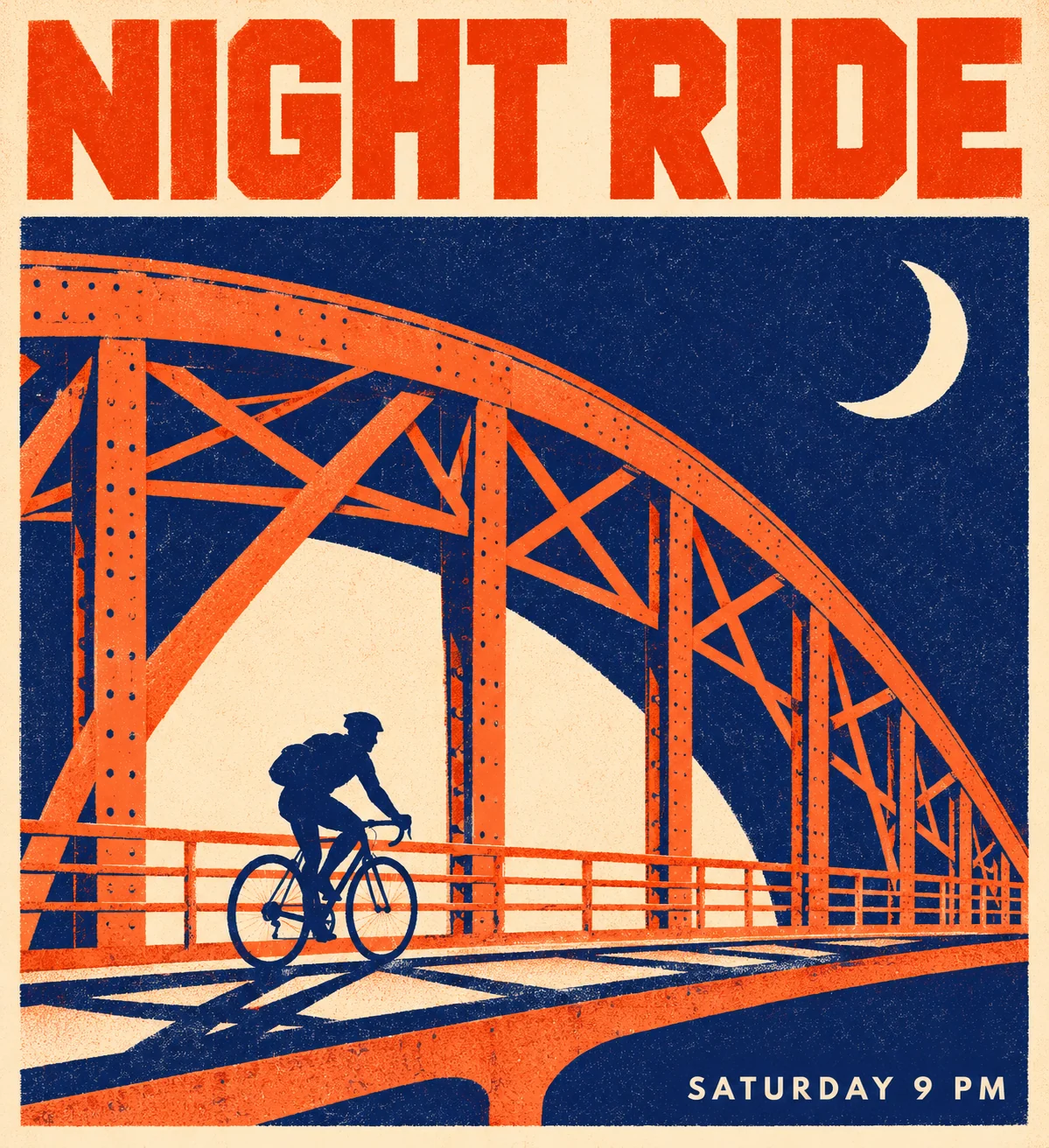
Quoted Typography PosterA two-color screen-printed risograph poster in vibrant vermilion orange and deep navy blue on warm cream paper showing a lone cyclist riding across an arched steel bridge under a crescent moon. The words "NIGHT RIDE" sit in bold geometric block letters across the top and "SATURDAY 9 PM" in small clean letters at the bottom right, no other text.